What to Consider When Choosing Patio Furniture for Your Backyard Space
When transforming your backyard into an inviting outdoor oasis, selecting the right patio furniture is paramount. Recent industry reports indicate that the demand for outdoor furniture has surged, with a projected growth rate of 4.7% annually over the next five years. This growth is driven by an increasing number of homeowners recognizing the value of outdoor spaces for relaxation and entertainment. Choosing the right furniture not only enhances the aesthetic appeal of your backyard but also contributes to its functionality, allowing you to enjoy al fresco dining, social gatherings, or quiet family time.
One important aspect to consider is the quality and durability of the materials used in patio furniture. According to a survey conducted by the American Home Furnishings Alliance, 70% of consumers prioritize durability when purchasing outdoor furniture. Additionally, factors such as resistance to weather elements and maintenance ease play a crucial role in ensuring your investment lasts. A popular choice among consumers is "Big Lots Patio Furniture," known for its affordable yet stylish options, making it easier for homeowners to create a beautiful outdoor environment without breaking the bank. By focusing on crucial elements such as material, style, and budget, you can select patio furniture that meets your needs and enhances your outdoor experience.
Understanding Your Backyard Space and Layout
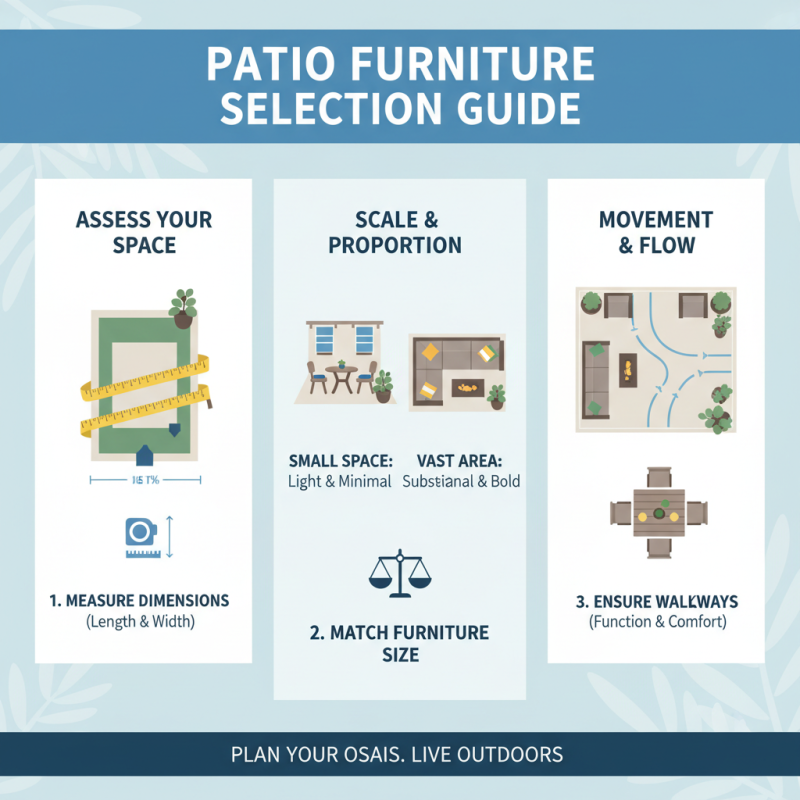
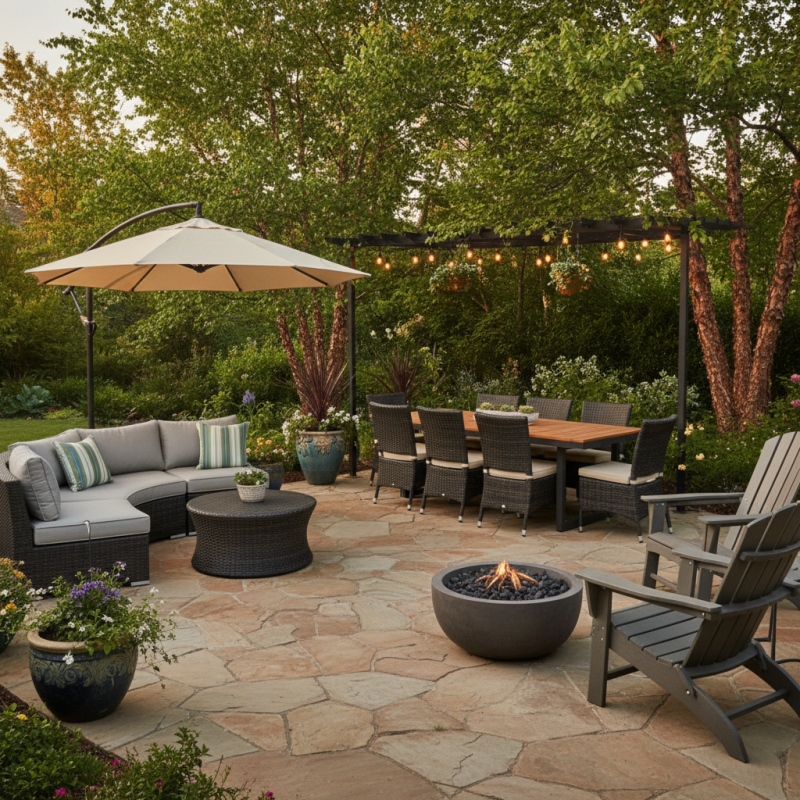
When selecting patio furniture, understanding your backyard space and layout is crucial. Begin by assessing the dimensions of your outdoor area. Measure the length and width to get a clear idea of how much room you have for different furniture pieces. Keep in mind the scale of your garden—large, bulky furniture may overpower a smaller space, while delicate, minimal designs might be lost in a vast area. Consider pathways and flow; ensuring there's enough space for movement will enhance both functionality and comfort.
Additionally, think about the current features in your backyard, such as trees, flower beds, or existing structures. These elements play a significant role in determining the type and placement of patio furniture. For instance, if you have a charming view or a well-maintained garden, orient your seating to take advantage of this scenery. Alternatively, shady spots under trees can provide cool retreats on hot days, making them ideal for lounge chairs or a small table set. Ultimately, aligning your furniture choices with your unique layout ensures a harmonious and inviting outdoor living space.
Identifying Your Style Preferences for Patio Furniture
When selecting patio furniture, understanding your style preferences is crucial. According to a report by Statista, over 60% of consumers prioritize aesthetics when purchasing outdoor furniture, indicating that personal style significantly influences buying decisions. Different styles—such as modern, farmhouse, or coastal—evoke distinct vibes and can transform the atmosphere of your backyard space. For instance, modern furniture typically features clean lines and neutral colors, appealing to those who prefer a sleek, minimalist look, whereas farmhouse styles often include rustic finishes and distressed wood, creating a warm, inviting environment.
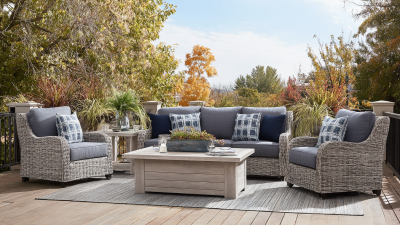
Additionally, material choice plays a vital role in defining your outdoor aesthetic. A survey by the American Home Furnishings Alliance revealed that 56% of respondents consider durability as important as style. Choosing materials like teak or aluminum can align your selection with both durability and design preferences. For instance, metal furniture often complements a contemporary look, while wicker offers a more traditional appeal. By identifying your stylistic inclinations and balancing them with practical considerations, you can create a coherent and inviting outdoor space that reflects your personal taste and maximizes comfort.
What to Consider When Choosing Patio Furniture for Your Backyard Space
Choosing Durable Materials for Longevity and Comfort
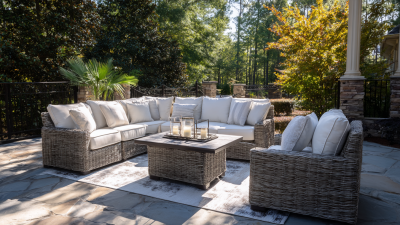
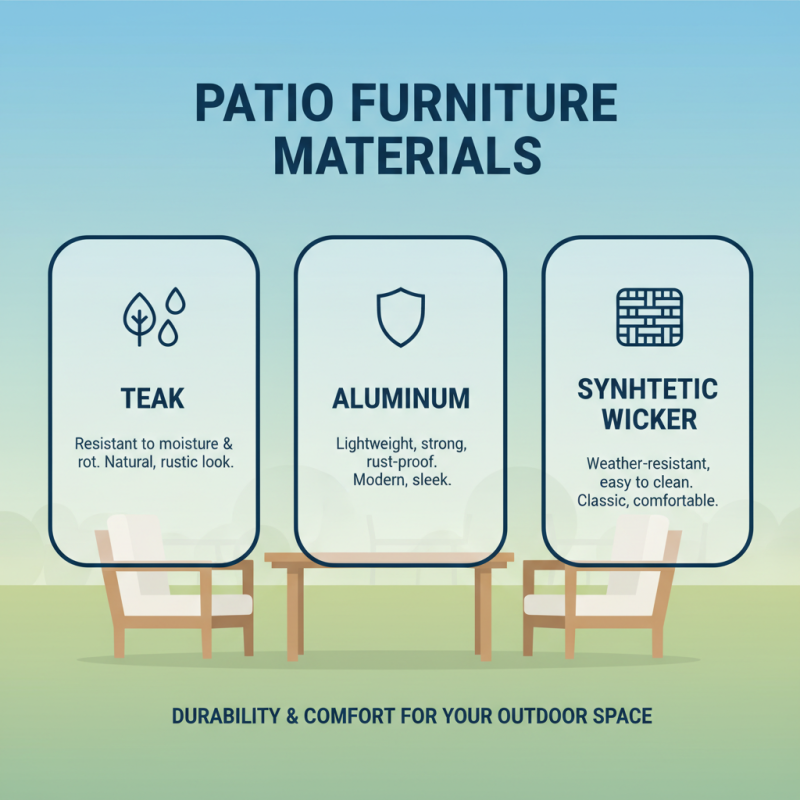
When selecting patio furniture for your backyard space, one of the most essential considerations is the material from which the furniture is made. Choosing durable materials is crucial for ensuring that your investment lasts through various weather conditions while providing optimal comfort for you and your guests. Popular materials include aluminum, teak, and synthetic wicker. Each of these options offers its benefits; for instance, aluminum is lightweight yet strong, while teak withstands moisture and resists rot, making it ideal for outdoor settings.
**Tips:** Look for furniture with UV-resistant finishes to prevent fading and cracking from sunlight exposure. Additionally, consider pieces with weather-resistant cushions covered in fabrics like solution-dyed acrylic, as these are designed to repel water and resist mold.
Comfort is also a key factor that should not be overlooked. Even the most durable materials can fall short if the furniture isn't comfortable to use. Opt for thicker cushions, ergonomic designs, and furniture height that allows for easy getting up and sitting down. Ensure that the seating arrangements promote relaxation and are suitable for lounging or hosting gatherings.
**Tips:** Test the furniture in-store if possible, ensuring that it provides the right level of support and comfort for your needs. Consider modular furniture options that allow you to rearrange and customize your seating layout as desired.
Assessing Budget and Cost Considerations for Outdoor Seating
When selecting patio furniture, one of the most critical factors to consider is your budget. A recent report by the Research and Markets highlights that the outdoor furniture market is projected to reach USD 25 billion by 2027, driven by increasing consumer interest in outdoor living spaces. Establishing a clear budget upfront can help narrow down options and ensure you’re investing in high-quality pieces that will last for years. While it can be tempting to choose the cheapest options available, superior materials and craftsmanship often result in a better overall value.
Additionally, it’s essential to take into account the long-term costs associated with outdoor furniture. For example, protective materials might cost more initially but can save you money on replacements and maintenance in the future. A study from IBISWorld indicates that the average lifespan of durable outdoor furniture can be at least 5-10 years, depending on factors like material and exposure to elements. Therefore, considering both the initial investment and the projected longevity of the furniture will help you make a more informed decision that aligns with your financial plans for your backyard space.
What to Consider When Choosing Patio Furniture for Your Backyard Space - Assessing Budget and Cost Considerations for Outdoor Seating
| Furniture Type |
Material |
Price Range ($) |
Durability (Years) |
Maintenance Level |
| Dining Set |
Aluminum |
300 - 800 |
10+ (weather-resistant) |
Low |
| Lounge Chair |
Wicker |
150 - 500 |
5-7 |
Medium |
| Sectional Sofa |
Wood with Cushions |
600 - 1200 |
7-10 |
High |
| Fire Pit Table |
Steel |
250 - 600 |
5-10 |
Medium |
| Umbrella |
Fabric with Aluminum Pole |
50 - 200 |
3-5 |
Low |
Exploring Maintenance and Care Needs for Patio Furniture
When selecting patio furniture, maintenance and care should take precedence in your decision-making process. According to a recent industry report by the American Society of Landscape Architects, homeowners who prioritize proper maintenance are likely to extend the life of their outdoor furniture by up to 50%. This insight emphasizes the importance of choosing materials that align with your capacity for upkeep and the local climate.
For instance, aluminum and synthetic resins require less maintenance compared to wood, which may need regular staining or sealing to protect it from the elements.
In addition, understanding the care requirements of various materials is essential for prolonging the aesthetics and functionality of your patio space. A survey conducted by the International Casual Furnishings Association revealed that nearly 60% of outdoor furniture owners are unaware of the specific maintenance needs of their items, leading to premature wear. For example, Teak wood furniture, though aesthetically pleasing, requires oiling to prevent dryness and cracking, while wicker can benefit from periodic cleaning and proper storage during the winter months.
By conducting thorough research on maintenance practices, you can select furniture that not only matches your aesthetic desires but also aligns with your willingness to engage in care routines, ultimately ensuring your outdoor space remains inviting for years to come.