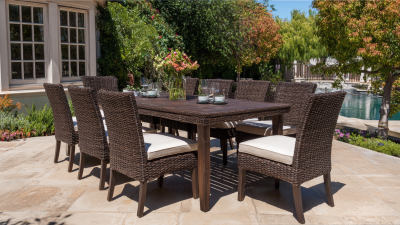
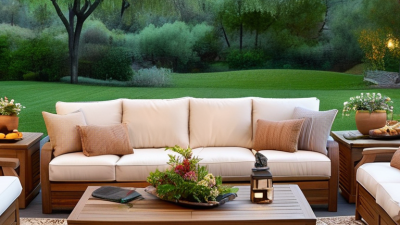
Patio Dining Sets are becoming practical extensions of the home, not occasional garden accessories. A table, four chairs, and weather-resistant cushions can turn a bare balcony into a usable breakfast spot. They can also create problems when proportions, materials, and storage needs are overlooked.
Industry data supports this shift. The MarketsandMarkets Outdoor Furniture Market report projects steady growth through 2028, driven partly by residential outdoor living. The American Society of Landscape Architects’ Residential Landscape Architecture Trends Survey also identifies outdoor dining and entertaining areas as frequently requested features. These reports suggest stronger demand, but they do not choose the right set for every household. Climate, floor space, maintenance habits, and household size still matter more than popularity.
Outdoor designer Jamie Durie has said, “Outdoor rooms should be designed with the same care as indoor rooms.” That principle is useful here. A compact, powder-coated aluminum set may suit a rainy city balcony. A solid teak table may feel warmer, but it needs regular care. Wicker can look inviting, yet its quality varies sharply. No set is perfect.
This guide examines what Patio Dining Sets include, how materials perform outdoors, and which sizes fit real spaces. It also considers comfort, cleaning, durability, and value. Some choices remain subjective. That is worth admitting. A beautiful set can still feel cramped after one shared meal.代理娱乐
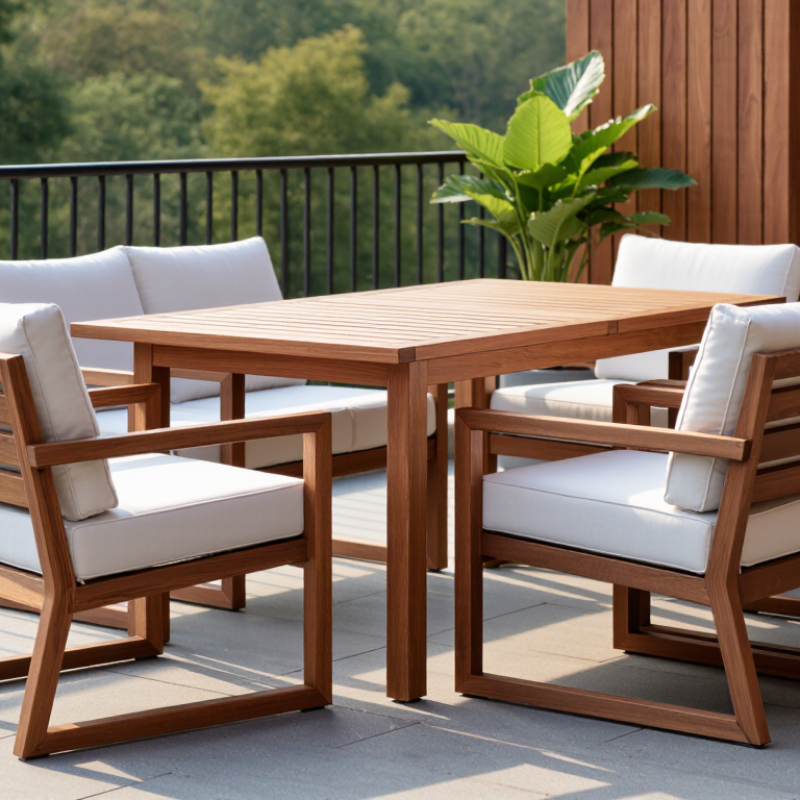
A patio dining set is an outdoor table paired with matching chairs for eating, drinking, or casual conversation.
It usually sits on a patio, balcony, deck, or garden surface. Unlike a lounge set, it supports upright dining and leaves enough knee space beneath the table. Common sets include four chairs and a rectangular table, though round and expandable designs are also available.
Materials affect comfort, safety, and maintenance. Powder-coated metal often provides a firm frame, while treated wood creates a warmer appearance. Synthetic woven materials can handle outdoor use, but their quality varies.
Check the table’s weight, chair stability, drainage openings, and surface finish before buying. A table that looks attractive may still wobble on uneven paving. Measure the area carefully, leaving space for pulled-out chairs and walking paths.
I have found that seat height matters more than many shoppers expect. A chair should let your feet rest naturally, without pressing against the table edge. Cushions feel comfortable, but they need quick drying after rain.
I once chose a set that fit the balcony perfectly, yet opening the chairs felt awkward. That mistake changed how I measure outdoor furniture. Shade, storage, wind exposure, and cleaning time deserve equal attention. Outdoor dining is practical, but never completely effortless.
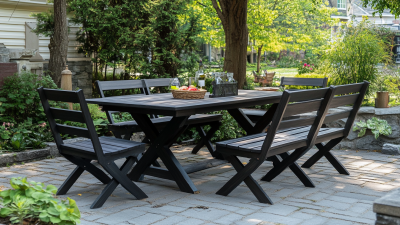
A patio dining set usually contains a dining table, matching chairs, seat cushions, and sometimes an umbrella or side storage. The table controls the entire arrangement. Measure the usable patio area first, leaving at least 36 inches for chair movement. A 60-inch round table often seats four to six people, while a rectangular table may support six to eight. Grand View Research valued the global outdoor furniture market at approximately $50.4 billion in 2022, showing strong demand for practical outdoor living products.
The chairs should match the table height, not merely its appearance. Look for supportive backs, stable legs, and enough space between armrests. Cushions add comfort, but solution-dyed outdoor fabric, quick-drying foam, and removable covers make maintenance easier. Moisture trapped beneath a cushion can create unpleasant odors and shorten its life. Small details matter.
An umbrella adds shade and protects diners from intense sunlight. However, its base needs enough weight for local wind conditions. Powder-coated metal resists corrosion, while treated hardwood offers warmth but needs regular care. The Freedonia Group’s outdoor furniture research identifies durability and weather resistance as important purchasing factors. I would not choose a set only because it looks elegant online. Product images often hide table thickness, drainage gaps, and chair weight. Test the sitting height, inspect the joints, and check replacement-part availability before buying.
A patio dining set usually includes a dining table and matching chairs. The table shape and size determine how many people can dine comfortably outdoors.
How to use this chart: Round tables with a 36-inch diameter generally seat two to four people, while larger round or rectangular tables can accommodate six to eight. When choosing a set, also consider chair clearance, weather-resistant materials, cushions, and optional accessories such as an umbrella and base.
Material choice matters more than appearance when a patio set faces sun, rain, salt, or freezing temperatures. NOAA’s 2024 State of the Climate report identified 2024 as the warmest year recorded, about 1.55°C above the preindustrial average. That heat increases surface temperatures and accelerates fading, expansion, and coating wear. Powder-coated aluminum suits sunny, humid areas because it resists rust and stays relatively light. However, chipped coating can expose the metal. Stainless steel offers greater strength, but coastal homes should consider marine-grade construction and regular rinsing.
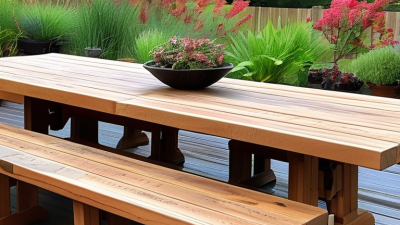
Wood creates a warmer, more natural setting, yet it needs realistic care. The USDA Forest Service Wood Handbook explains that exterior wood moisture can fluctuate roughly between 12% and 20%, depending on climate and exposure. Those changes may cause swelling, shrinking, or surface checking. Dense hardwood performs well when it has drainage, ventilation, and periodic oiling. It is not maintenance-free. Synthetic resin or high-density polyethylene works better for wet climates and busy households. These materials do not absorb water like wood, although dark colors can become uncomfortably hot under direct sunlight.
Fabric deserves equal attention. The U.S. Department of Energy reports that ultraviolet radiation can degrade outdoor materials over time, especially when surfaces remain exposed. Choose solution-dyed fabric, quick-drying cushions, and removable covers. In windy locations, heavy frames and low profiles improve stability. I would avoid natural wicker in uncovered, rainy spaces. It can look excellent at first, then disappoint quickly. Check joints, drainage gaps, replacement parts, and warranty terms before judging a set by its finish alone.
Patio dining sets usually include a table and matching chairs for outdoor meals. Choosing the right set begins with accurate measurements, not attractive photos. Measure the patio’s usable area, including doors, railings, and walking paths. Leave about 36 inches around the table for comfortable movement and chair clearance. A small balcony may suit a compact round table, while a wide terrace can handle a rectangular six-seat design.
Size should match your regular habits. A two-person household may not need a large table that collects dust. However, occasional guests can make an extendable table practical. Check chair width, table height, and leg placement before buying. A beautiful table can still feel awkward if knees hit the supports. I have learned that online dimensions sometimes exclude chair clearance. That mistake is easy to make.
Tips: Sketch the patio on paper. Mark the table footprint and pull out each chair. Test the walking route with a measuring tape. For style, match the set with your home’s lines and outdoor materials. Rounded shapes create softer movement, while straight designs look more structured. Consider weather exposure, too. Covered patios allow more material choices, but open areas need durable, easy-care surfaces. Neutral colors age well, though a small accent color can prevent the space from feeling plain. Personal taste matters, but comfort matters more.
| Set Size | Typical Table Dimensions | Seats | Recommended Patio Area | Best Table Shape | Suitable Use | Key Buying Considerations |
|---|---|---|---|---|---|---|
| Compact Bistro Set | Round: 24–30 in diameter Square: 24–30 in wide |
2 people | At least 6 ft × 6 ft | Round or square | Small balconies, apartment patios, coffee, breakfast, and casual meals | Choose foldable chairs or a nesting design when floor space is limited. Allow approximately 30–36 inches of clearance around the table. |
| Four-Person Dining Set | Round: 36–42 in diameter Square: 36–42 in wide Rectangle: 42–48 in long |
4 people | At least 8 ft × 8 ft | Round, square, or compact rectangle | Everyday dining, small families, and casual outdoor entertaining | A 36-inch table generally provides enough space for place settings, while a 42-inch table offers more room for serving dishes. |
| Six-Person Dining Set | Rectangle: 60–72 in long × 36–40 in wide Oval: 60–72 in long |
6 people | At least 10 ft × 10 ft | Rectangle or oval | Family meals, weekend gatherings, and regular outdoor dining | Plan for about 24 inches of table edge per seated adult. A rectangular table works well in long or narrow spaces. |
| Eight-Person Dining Set | Rectangle: 84–96 in long × 38–44 in wide Oval: 84–96 in long |
8 people | At least 12 ft × 12 ft | Rectangle or oval | Large families, dinner parties, and spacious decks or patios | Measure doors, gates, and walkways before buying. Leave at least 36 inches for comfortable movement and more space where chairs must be pulled back. |
| Ten-Person Dining Set | Rectangle: 108–120 in long × 40–48 in wide Oval: 108–120 in long |
10 people | At least 14 ft × 14 ft | Long rectangle or oval | Frequent entertaining and large outdoor dining areas | Use an extension table if the number of guests varies. Check that the patio structure, flooring, and storage area can support the set. |
| Counter-Height Set | Table height: approximately 34–36 in Typical width: 30–40 in |
2–6 people | At least 8 ft × 8 ft | Square or rectangle | Casual meals, elevated views, and entertaining near an outdoor kitchen | Counter-height chairs are required. Seat height is commonly about 24–27 inches, so confirm that the chairs fit comfortably under the table. |
| Bar-Height Set | Table height: approximately 40–42 in Typical width: 24–36 in |
2–4 people | At least 7 ft × 7 ft | Round, square, or narrow rectangle | Drinks, quick meals, poolside seating, and compact entertaining areas | Bar stools are typically about 28–30 inches high. This style is less suitable for young children or long, formal meals. |
| Round Table Set | 36 in diameter for 4 people 48 in diameter for 6 people 60 in diameter for 8 people |
4–8 people | Allow the table diameter plus at least 36 inches on all sides | Round | Conversation-focused dining and patios with limited corners | Round tables improve circulation and have no sharp corners, but very large diameters can make it difficult for guests to reach shared dishes. |
| Rectangular Table Set | Length varies from approximately 48–120 in Width commonly 36–48 in |
4–10 people | Table length and width plus at least 36 inches of clearance | Rectangle | Traditional dining, long patios, and larger groups | Provides efficient seating capacity and serving space. Confirm that the table does not block doors, grills, stairs, or primary walking routes. |
| Extendable Dining Set | Closed length: approximately 60–72 in Extended length: approximately 84–120 in |
6–10 people | Size the space for the fully extended table | Rectangle or oval | Flexible dining where everyday and entertaining needs differ | Measure the complete extended length and verify that there is room to operate the extension mechanism without moving the set. |
General sizing guide: Allow about 24 inches of table edge per adult, maintain at least 36 inches of clearance for normal movement, and provide additional space behind chairs where people need to walk while others are seated. Measure the patio, access route, and storage area before selecting a set.
A patio dining set stays attractive when small cleaning tasks become part of outdoor life. Maintenance starts with the material, because each surface reacts differently to weather. For powder-coated metal, wipe spills quickly with mild soap and water. Rinse away salt, pollen, and dirt before they leave dull marks. Check joints and screws every few months. Tighten loose hardware carefully, but avoid forcing it.
Wood requires more attention. Remove standing water after rain, then let the surface dry fully. Use a soft brush instead of an abrasive pad. Apply a suitable outdoor wood treatment when the finish looks dry or uneven. I once left a wet planter on a wooden tabletop for several days. The pale ring remained visible. That mistake taught me to use coasters and lift objects during cleaning.
Cushions should dry completely before storage. Otherwise, trapped moisture can create odors and encourage mildew. Shake out crumbs, vacuum seams, and clean fabric according to its care instructions. A breathable cover helps, but a sealed plastic cover may trap condensation. Inspect the set after storms, especially beneath the tabletop and around chair feet. No routine is perfect. Even careful owners miss a corner sometimes. When winter weather becomes severe, move lightweight pieces into a dry, ventilated space and keep heavier furniture raised from wet ground.