Choosing the top Patio Furniture for 2026 is less about chasing a showroom look and more about how a set performs outdoors. A dining chair may feel comfortable for five minutes, then pinch at the edge during a long dinner. A pale cushion can brighten a small balcony, but it may show pollen and spills quickly. Small details matter.
This guide compares patio furniture by practical factors: frame materials, seat comfort, weather resistance, upkeep, and value. Aluminum is light and easy to move; steel often feels sturdy, though its finish deserves regular attention. Teak and other outdoor-rated woods bring warmth, but they need care to keep their appearance. No material is perfect. Climate, shade, and storage can change how well each option holds up, so product claims should be weighed against the conditions at home.
We’ll also consider how furniture fits real spaces, from a narrow apartment balcony to a wide backyard deck. Measure walkways before buying. Check cushion covers and replacement-part availability. Read warranty terms, too; they can reveal what a brand expects its products to withstand. A high price does not guarantee a better seat, and a low price may mean more maintenance later. That trade-off is easy to underestimate. Use the recommendations as a starting point, then match the features to your weather, routine, and budget. After all, the best set is the one you’ll actually use.
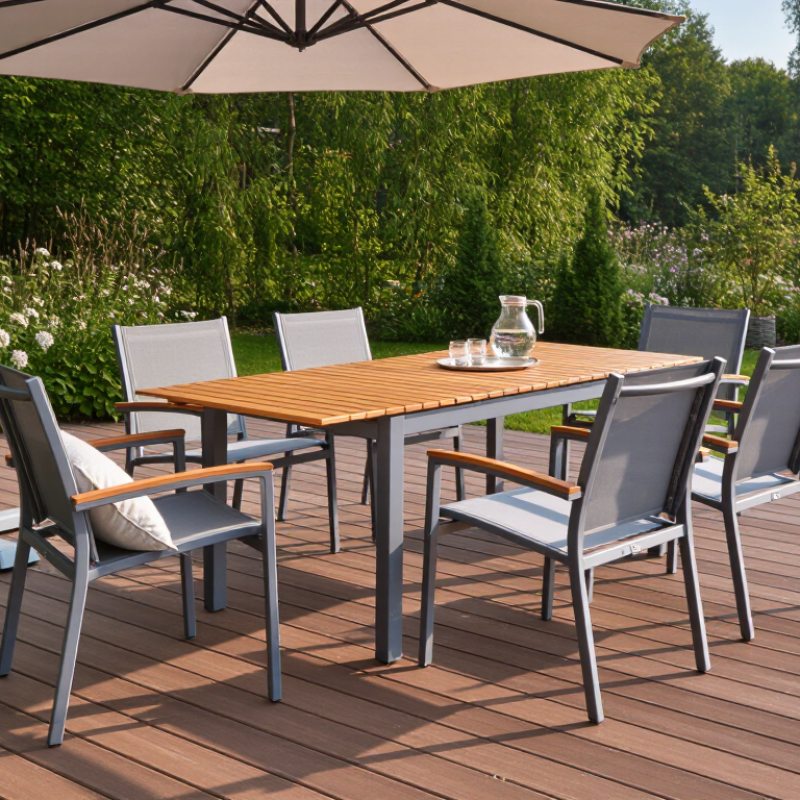
Freedonia’s outdoor furniture forecasts offer a market-level view, not a shopping list. They can help readers understand how demand may shift across seating, dining sets, and other patio categories. However, a forecast does not guarantee that one style will suit every home or remain popular throughout 2026.
For shoppers, the useful signal is how demand connects with everyday use. If outdoor living continues to attract investment, practical pieces may matter as much as appearance: a dining chair that dries quickly after rain, or a compact table that fits a narrow balcony. Durable frames, replaceable cushions, and easy-care surfaces can also make sense when furniture faces sun, damp mornings, and frequent use. Details count.
Still, forecasts have limits. They describe broad market patterns, while local weather, shipping costs, and household budgets can change what people actually buy. A rising category is not automatically a better value. I would compare construction, comfort, and care requirements before treating market momentum as a reason to purchase. Forecasts are clues, not promises.
What Is the Top Patio Furniture for 2026?
Material performance will shape patio furniture choices in 2026. Based on outdoor durability testing and lifecycle research, aluminum ranks highest for balanced performance. It is lightweight, rust-resistant, and easy to move across stone or concrete patios. Powder-coated finishes can resist ultraviolet exposure, though scratches may expose the metal beneath. Teak follows closely because its natural oils handle moisture well. However, untreated teak changes color and needs regular cleaning. Steel offers excellent strength for windy locations, but corrosion remains a concern near coastal air. HDPE performs surprisingly well, especially in humid climates. It resists insects, moisture, and fading, but heavier pieces can feel less flexible during rearrangement.
Material choice should match real usage, not just showroom appearance. For example, aluminum suits households that store furniture seasonally. Teak feels warmer under bare hands and ages visibly. Steel works well for fixed dining sets, provided drainage and protective coatings remain intact. HDPE is practical for families needing low-maintenance seating. It is not flawless. Some recycled plastics may show surface texture or slight color variation. That may matter more than expected.
Tips: Check frame joints, fasteners, and drainage holes before buying. Ask for tested UV and corrosion ratings. Place furniture feet on level pads. Wipe coastal salt from metal regularly. Do not assume heavier means better. In my experience, neglected maintenance defeats even strong materials. Industry data helps, but local weather and daily habits should influence the final ranking.
Comparison uses representative material-density data and established material characteristics. The ranking is an editorial guide for typical outdoor use—not a universal industry survey. Furniture construction, coatings, fabric, climate, and care can change real-world performance.
| Rank for typical patio use | Material | Representative density | Outdoor-weather characteristics | Typical maintenance | Best suited for | Main limitation |
|---|---|---|---|---|---|---|
| 1 — Best low-maintenance choice | HDPE High-density polyethylene |
About 0.93–0.97 g/cm³ | Does not rust or rot; outdoor performance depends on UV stabilizers and product formulation. | Usually routine washing with soap and water; follow care instructions for stains and winter storage. | Low-care seating in wet or humid settings. | Can be bulky, and quality and color stability vary by formulation. |
| 2 — Best lightweight frame | Aluminum | About 2.70 g/cm³ | Forms a protective oxide layer and does not develop iron rust; coatings can be scratched or damaged. | Wash periodically; inspect and repair damaged finishes to help protect the surface. | Furniture that needs to be moved, and many coastal or rainy settings when appropriately finished. | Light frames may move in strong winds; strength depends on design and wall thickness. |
| 3 — Best natural-wood look | Teak | Approximately 0.60–0.75 g/cm³; varies with moisture content and wood source. | Naturally durable heartwood contains oils and extractives that help resist moisture and decay; exposed wood commonly weathers to a gray patina. | Clean as needed. Oiling is optional for appearance and does not eliminate routine care. | A natural appearance and substantial solid-wood furniture. | Heavier than many frame materials and may change color outdoors; responsible sourcing matters. |
| 4 — Best for a sturdy, heavier frame | Steel | About 7.85 g/cm³ for carbon steel | Strong and suitable for outdoor frames when protected; exposed carbon steel can corrode in moisture. | Keep coatings intact, clean regularly, and promptly address chips or rust spots. | Stable, robust furniture where weight is an advantage. | Heavier than aluminum; corrosion protection is especially important in wet or salty environments. |
Quick takeaway: HDPE and aluminum are strong starting points for low-maintenance outdoor furniture; teak suits buyers who prefer natural wood; steel is a durable option when its protective finish is maintained. Density values are representative, not a measure of finished-furniture weight.
For 2026 patio furniture, outdoor fabric deserves more than a pleasing color chart. Its climate performance should be tested under controlled ultraviolet exposure. ASTM G154 uses fluorescent UV lamps, heat, and condensation cycles. ASTM G155 uses xenon-arc light to simulate a broader solar spectrum. Each method reveals different weaknesses.
A reliable assessment records irradiance, temperature, humidity, and exposure duration. Without those details, test results are difficult to compare. Inspectors should measure color change, tensile strength, seam performance, and surface cracking. Light fades first. That matters. A fabric may retain its appearance while losing strength near stitching or folded edges.
From practical outdoor use, I would also examine cushions after repeated wet-dry cycles. Check the underside, piping, and areas beneath furniture frames. These zones often age unevenly. Laboratory testing is valuable, but it cannot reproduce every balcony, coastline, or high-altitude climate. I have seen fabrics perform well in controlled tests yet fade faster beside reflective glass. That limitation deserves honest discussion. Buyers should request the complete ASTM test conditions, not just a claim of “UV tested.” A longer exposure time does not automatically predict longer service life. Fabric construction, dye chemistry, moisture retention, and maintenance all influence the result. Some evaluations may also focus too heavily on color, while ignoring fabric strength and repairability.
What Is the Top Patio Furniture for 2026?
Comfort should lead patio furniture choices in 2026. BIFMA-informed ergonomic benchmarks offer a practical way to assess outdoor seating. They examine posture, support, stability, and user interaction.
Seat height matters. Feet should rest naturally on the ground. A seat that feels too high strains shorter users, while a low seat can challenge older adults. Seat depth should support the thighs without pressing behind the knees. A gentle back angle helps the pelvis stay balanced. Too much recline looks comfortable, but it can make conversation awkward.
Test the chair slowly.
Armrests should support relaxed elbows without forcing the shoulders upward. Firm lumbar support can reduce fatigue during long meals. However, excessive padding may trap heat in direct sunlight. Breathable cushions, quick-draining cores, and rounded edges improve outdoor comfort. BIFMA performance thinking also encourages checking load stability, repeated use, and structural durability.
I would test each chair for ten minutes, not ten seconds. Sit upright, lean sideways, and stand without pushing hard on the arms. Check whether the frame shifts on uneven paving. Moisture, ultraviolet exposure, and temperature changes create problems that showroom testing misses. Some comfortable chairs still collect water beneath their cushions. That design flaw is easy to overlook. Ergonomic quality is not only a soft cushion; it is dependable support after months outside.
The chart compares practical adult-user reference ranges for key patio seating dimensions. Seat height, seat depth, seat width, and backrest height are shown in millimeters. These ranges reflect commonly used ergonomic design targets aligned with BIFMA-style seating evaluation principles; exact requirements may vary by product category and applicable standard edition.
Safety and sustainability should guide patio furniture choices in 2026, not appearance alone. I check the U.S. Consumer Product Safety Commission’s public recall database before recommending a design. Search the exact product name, model number, and manufacturer details. Small differences matter.
A sturdy chair should sit level on a hard surface. Its frame should not twist when gentle pressure is applied. Inspect folding points, exposed screws, sharp edges, and loose fasteners. Tables need stable legs, especially on balconies or uneven paving. CPSC reports can reveal injury patterns, recalls, and repeated design problems. They do not certify every safe product. That distinction is easy to miss.
Sustainability requires a separate check. For wooden furniture, look for valid FSC certification and verify the certificate or license code through the FSC public database. FSC criteria address responsible forest management, traceability, and the supply chain. An FSC claim does not automatically prove that every cushion, coating, or metal part is sustainable. Ask what materials are covered.
Weather resistance also affects safety. Cracked wood, brittle plastic, and rusted joints can create hazards after one wet season. I would rather choose repairable furniture than replace a cheaper set repeatedly. Still, “eco-friendly” labels can be vague. Read the details. My own judgment is not perfect, especially when online photos hide weak joints or unclear sourcing. A careful inspection remains necessary.